
PATIENT EDUCATION · A STARTING POINT
Understanding scoliosis
Learning the basics can help you prepare questions and have more informed conversations with a qualified healthcare professional.
Educational information only · Not a diagnosis or a substitute for personal medical advice
What is Scoliosis?
Scoliosis is a condition in which the spine curves sideways and also rotates, creating a three-dimensional change in the shape of the spine. From behind, a typical spine appears relatively straight, while a scoliotic spine may form a C-shaped or S-shaped curve.
A spinal curve is generally classified as scoliosis when the Cobb angle measures more than 10 degrees on an X-ray.
Think of the spine as a column of bones called vertebrae.
A healthy spine naturally has gentle curves when viewed from the side. When viewed from the back, however, it is generally straight.
With scoliosis, the spine develops an abnormal sideways curve and may rotate.
The visible appearance can vary considerably from person to person. Some curves are difficult to see, especially when they are mild.
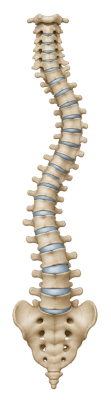
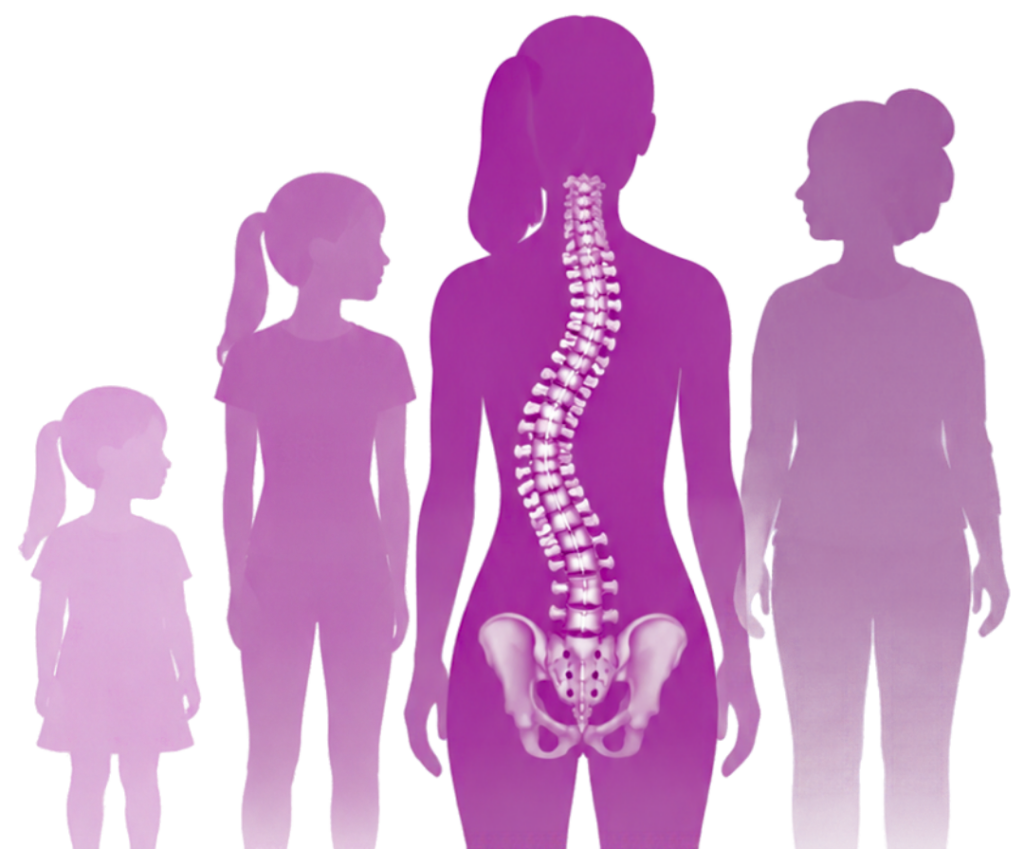
Scoliosis can affect children, teenagers, and adults. The most common type is idiopathic scoliosis, in which no specific cause has been identified. Adolescent Idiopathic Scoliosis (AIS) typically develops during the preteen and teenage years and is ten times more common in females than males. Genetic and biological factors may contribute to its development.
Infantile Idiopathic Scoliosis
Occurs in children between birth and 3 years of age.
Juvenile Idiopathic Scoliosis
Occurs in children between 4 and 10 years of age.
Adolescent Idiopathic Scoliosis
Occurs in adolescents between 11 and 18 years of age.
Adult Idiopathic Scoliosis
Occurs in adults older than 18 years of age.
What are the Signs of Scoliosis?
Scoliosis does not always cause obvious symptoms. Mild scoliosis may have no noticeable symptoms at all.
Possible signs include:
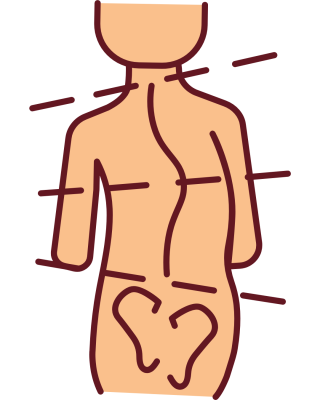
- One shoulder appearing higher than the other
- One shoulder blade becoming more prominent
- Uneven hips or waist
- The body appearing to lean to one side
- Clothes appearing to fit unevenly
- One side of the rib cage appearing more prominent
- A noticeable rib prominence when bending forward
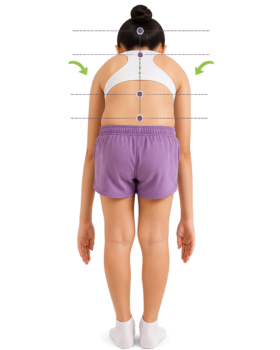
Adam’s Forward Bend Test
During a forward-bend examination, a person bends forward while a healthcare professional looks for asymmetry in the back and rib cage.
A difference in the height or prominence of one side of the back may be a sign that further assessment is needed.
Important: The forward-bend test can help identify possible scoliosis, but it does not by itself diagnose scoliosis. Patients and families must seek professional help from licensed physicians and health care professionals.
Does scoliosis always cause pain?
Not necessarily.
Many children and teenagers with mild scoliosis do not experience significant pain. Back pain can occur, particularly in adults or in some people with more severe curves, but pain should not automatically be assumed to be caused by scoliosis.
How is Scoliosis Diagnosed and Treated?
Understanding your scoliosis is the first step toward effective management. Learn about how scoliosis is diagnosed and the medical pathways available to treat it.
What Are the Different Types of Scoliosis?
Scoliosis has several possible causes and classifications.
Early-Onset Scoliosis
This refers to scoliosis that develops before adolescence, including forms identified in infancy or childhood. Some cases are idiopathic, while others have an underlying cause.
Syndromic Scoliosis
Symptoms vary depending on the underlying syndrome and the severity of the curvature. Scoliosis is usually painless but may cause discomfort or pain when sitting if the curve is severe.
Neuromuscular Scoliosis
This type is associated with conditions affecting the nervous system or muscles, which can affect spinal balance and control.
Thoracic Insufficiency Syndrome (TIS)
TIS impairs the chest’s ability to support normal breathing. Symptoms may include labored or rapid breathing, severe shortness of breath, and fatigue.
Idiopathic Scoliosis
Patients with idiopathic scoliosis typically have no pain or neurological abnormalities, such as muscle weakness, and maintain a normal spinal profile when viewed from the side. “Idiopathic” means that a specific cause has not been identified.
Patient brochures from the Scoliosis Research Society
For more detailed patient education, visit the Scoliosis Research Society’s official patient-brochure page. The original publications remain hosted by SRS, so visitors can access the source material directly.
Medical Assistance
Explore the existing directory of government, LGU, nonprofit, PWD and crowdfunding resources. Check each provider’s requirements and current program details before applying.
Before you apply
Prepare documents and confirm the details of each program. Requirements and eligibility may differ by provider.
- Review the provider’s current eligibility criteria.
- Check the required documents and application steps.
- Confirm program dates, availability and contact details.
- Use only official channels to submit personal documents.
Wherever you are in your scoliosis journey, you belong here.
Whether you’re newly diagnosed, supporting a child, living with scoliosis as an adult, or simply looking for reliable information—we’re here to help you find your next step.